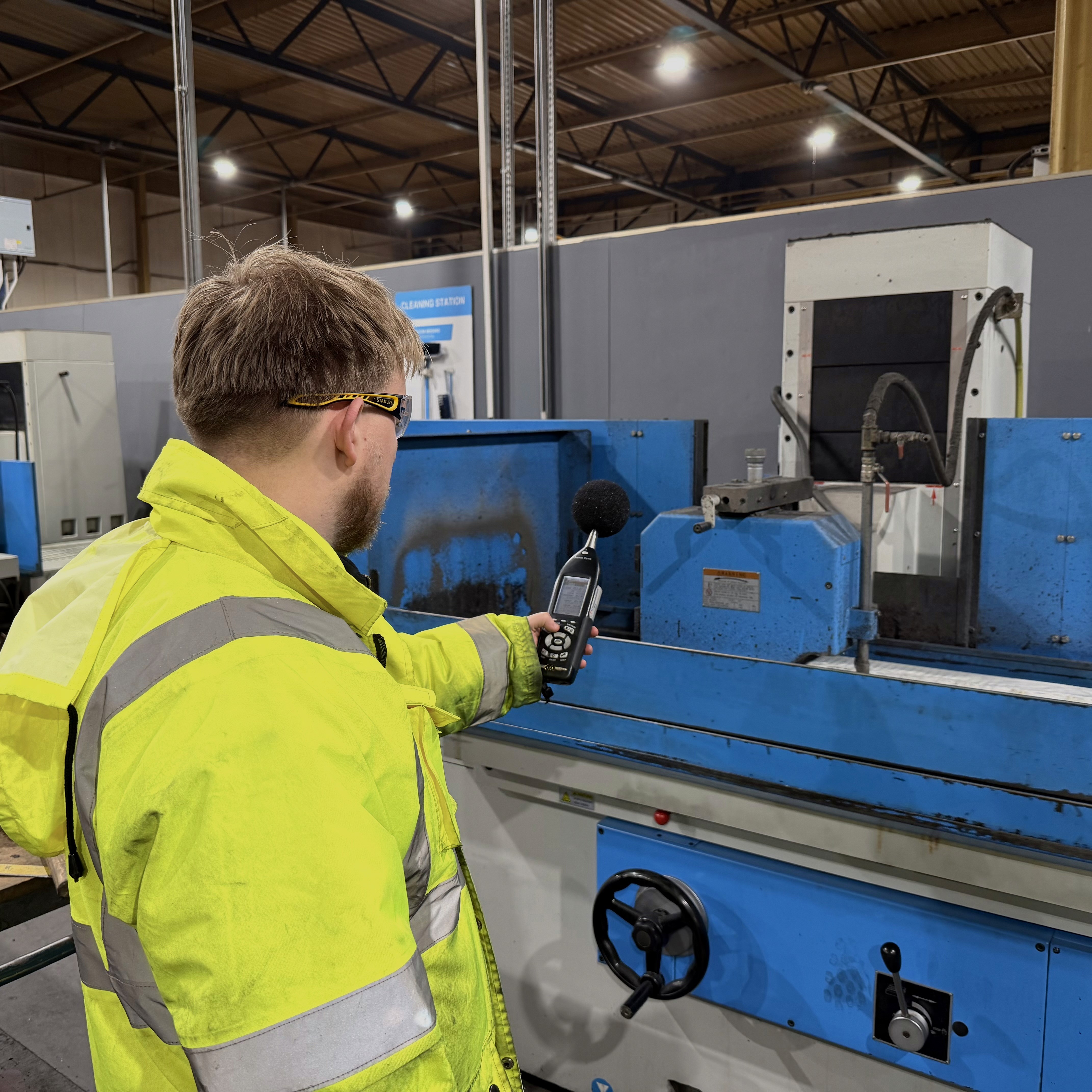
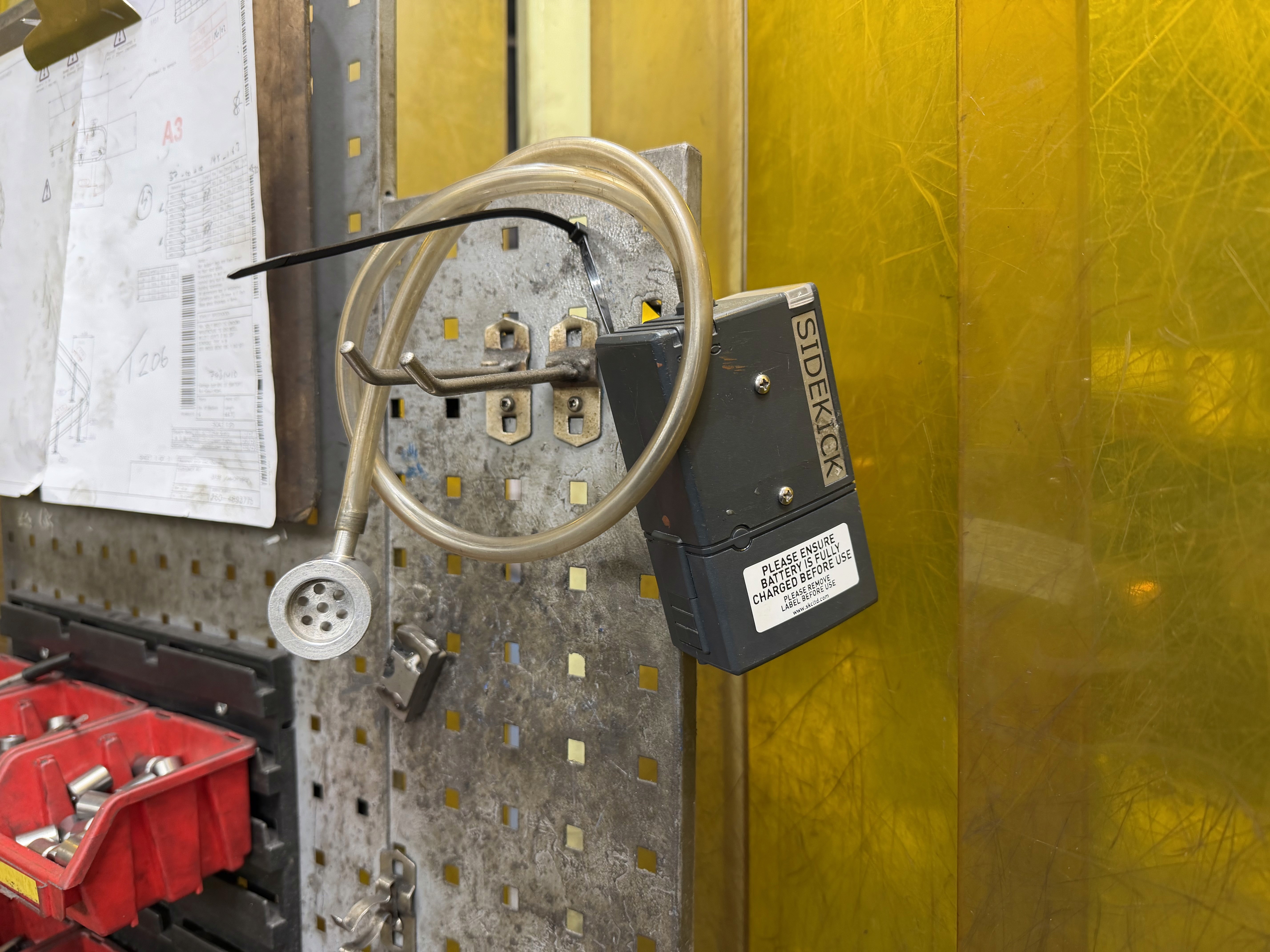
Exposure Monitoring
Measuring and assessing the extent of worker exposure to health hazards.
NOHH Ltd draws on over 40 years of occupational hygiene experience in delivering structured workplace exposure monitoring across a range of operational environments. All assessments are carried out by BOHS-qualified occupational hygienists.
Assessing Workplace Exposure to Hazardous Substances
Exposure monitoring is the process of measuring how much of a hazardous substance workers are exposed to during their activities. Examples of substances that this may include are:
Rubber fume
Biological agents
General gases and vapours
Many other airborne contaminants
Under the COSHH Regulations, employers must demonstrate that exposure to hazardous substances is adequately controlled. Monitoring provides evidence of compliance and helps ensure risks are effectively managed.
Methods of Monitoring
The most common approach is personal air sampling (air monitoring), where airborne concentrations of hazardous substances are measured in an operator’s breathing zone and compared against current Workplace Exposure Limits (WELs) set out in EH40/2005.
Other methods include biological monitoring (e.g. urine, blood, breath, or skin testing) to assess whether hazardous substances have entered the body. This is especially important for substances with potent toxic effects, such as carcinogens (nickel, hexavalent chromium) or sensitisers (isocyanates).
Substances and Processes We Monitor
NOHH Ltd has experience in monitoring exposure to a wide range of airborne hazards, some of which include:
Total inhalable/respirable dust assessments in a wide variety of industries
Solvent vapours from painting, printing, and manufacturing processes
Gases, vapours and mists from electroplating operations
Dusts, fumes, and gases from welding and metalwork fabrication
Wood and biomass dusts in industries varying from woodworking to power generation
Flour dusts in bakeries
Anaesthetic gases in healthcare settings
Respirable crystalline silica in masonry, construction, and glass manufacturing
Microbiological hazards and animal allergens in research and farming settings
There is rarely a process or airborne hazard we have not come across, so whatever the hazard, get in touch and we can advise on any exposure monitoring requirements. Monitoring can be part of a full investigation programme or a routine COSHH assessment update.
Control of Metal Working Fluids
We also undertake full occupational hygiene reviews of substances where airborne monitoring is ill-advised. Such substances include exposure to metal working fluid and oil mists. Our reviews include a more detailed assessment of all control techniques used onsite, not just LEV. It is especially helpful where full enclosure of LEV is not reasonably practicable and your thorough examination and test (LEV TExT) reports are unsatisfactory.
Reporting and Compliance
After each investigation, we provide a comprehensive report that includes:
Details of the monitoring programme
Results compared against WELs and other standards
Interpretation of findings and risk evaluation
Practical recommendations and remedial actions where required
This ensures your organisation remains compliant with COSHH, protects employee health, and satisfies regulatory requirements. We are North East based and work with companies across the UK. If you'd like to speak to us about exposure monitoring, feel free to get in touch.