How LEV Testing Fits Into Occupational Hygiene and COSHH Compliance
A practical explanation of how LEV testing fits into occupational hygiene and COSHH compliance, and why further assessment is often required beyond system performance alone.
By James Hall BEng MSc CertOH LFOH
LEV Testing
COSHH
How LEV Testing Fits Into Occupational Hygiene and COSHH Compliance
Local exhaust ventilation (LEV) testing is a critical component of COSHH compliance and plays an important role in controlling airborne contaminants in the workplace. For many organisations, LEV testing is the most visible and well-understood requirement, particularly given its statutory examination and testing interval.
However, while LEV testing is essential, it represents only one part of a broader occupational hygiene framework. COSHH is concerned not just with whether a control system is functioning, but with whether workers are adequately protected from adverse health effects in practice.
This article explains how LEV testing fits into occupational hygiene and COSHH compliance, what it does and does not assess, and why further workplace assessment is often required beyond LEV alone.
What LEV Testing Does and Doesn't Do
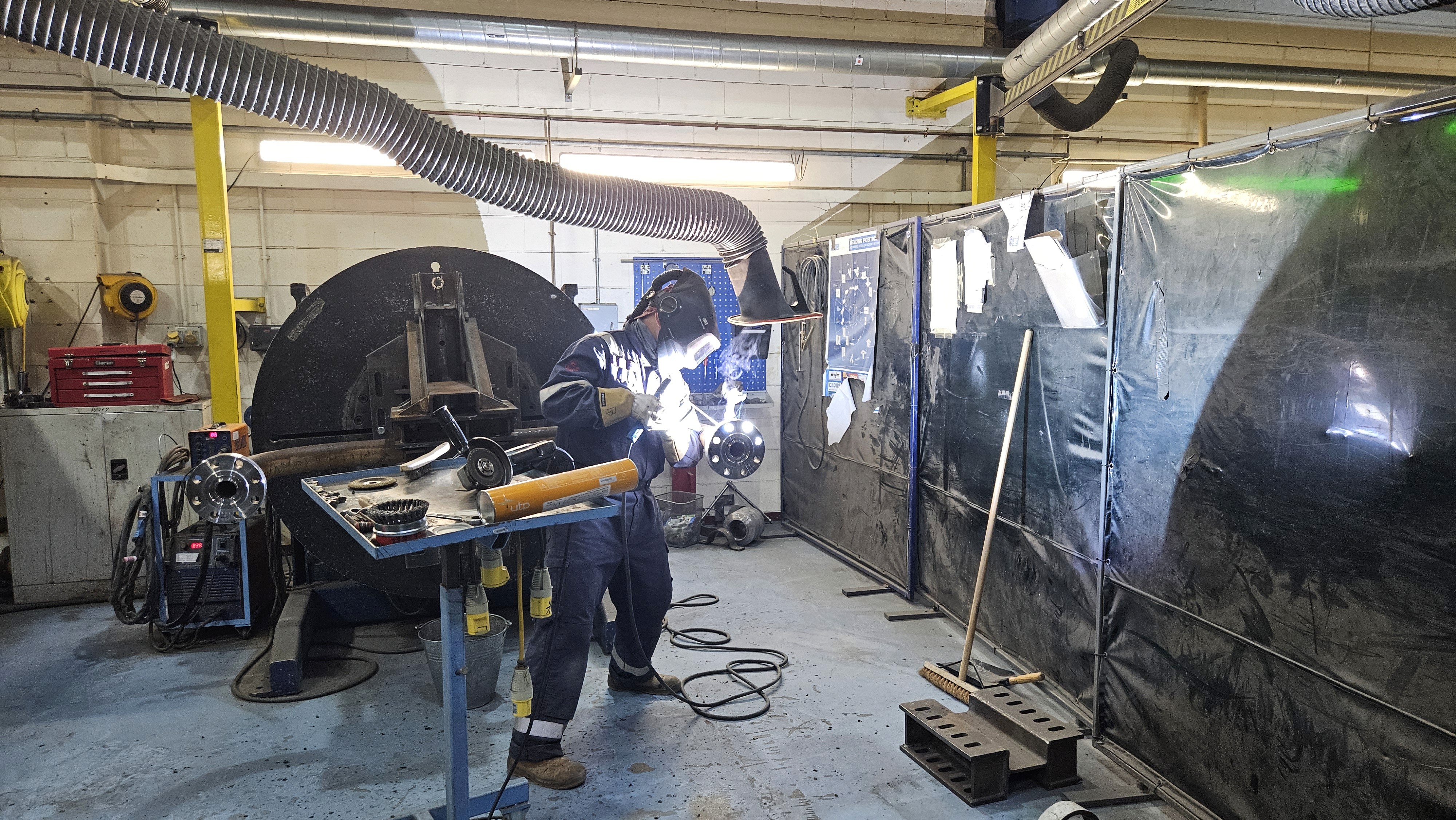
LEV testing is carried out to confirm that a ventilation system is performing as intended. This typically includes assessing airflow, capture velocities, pressure differentials, and overall system condition against design or commissioning criteria.
Under COSHH, LEV systems must be thoroughly examined and tested at suitable intervals, typically at least every 14 months, with records retained as evidence of compliance. LEV testing therefore provides assurance that:
The ventilation system is mechanically functional
Air is being captured and moved as designed
A key control measure remains effective in principle
LEV testing is a legal requirement and an important part of maintaining exposure control. Yet, while LEV testing confirms system performance, it does not directly assess worker exposure. In particular, LEV testing does not:
Measure personal exposure in the breathing zone
Account for how tasks are carried out in reality
Capture variation in work practices or behaviours
Assess exposure through non-inhalation routes
LEV testing focuses on controlling airborne contaminants at source. It does not assess whether exposure is occurring elsewhere, or whether other controls are required to prevent adverse health effects. COSHH considers multiple routes of exposure, including:
Inhalation
Skin absorption
Eye contact
Injection
Ingestion (where relevant)
COSHH Compliance
COSHH requires employers to assess, prevent, or adequately control potential exposure to substances hazardous to health via all potential pathways into the body. This obligation extends beyond confirming that individual control measures exist or are functioning.
From a COSHH perspective, the key question is:
Is worker exposure being adequately controlled in practice, across all relevant routes of exposure?
LEV testing helps answer one part of that question — but it cannot answer it in full. This distinction becomes particularly important during engagement with the Health and Safety Executive, where inspectors may expect evidence that exposure has been properly evaluated, not just that the LEV system has passed a test.
Where Occupational Hygiene Fits In
Occupational hygiene takes a broader view of workplace health risk. It considers how exposure actually occurs, taking into account:
Tasks and work patterns
Duration and frequency of exposure
Variability between individuals
Interaction between multiple control measures
Potential exposure via inhalation, skin, or eyes
Within this framework, LEV testing is treated as one control input, rather than a standalone conclusion. A qualified occupational hygienist may:
Review LEV test results in the context of actual work activities
Assess whether LEV performance is sufficient for the substances used
Identify potential exposure routes beyond inhalation
Determine whether exposure monitoring is required
Inform wider COSHH assessment and control strategies
This integrated approach supports proportionate, defensible COSHH compliance.
Why Qualification and Competence Matter
LEV testing can be carried out by specialist LEV engineers whose role is to assess ventilation system performance. This is appropriate and necessary for meeting statutory testing requirements. However, interpreting what LEV performance means for health risk requires occupational hygiene competence.
Professionally qualified occupational hygienists, typically holding licentiate or higher qualifications awarded by the British Occupational Hygiene Society (BOHS), are trained to:
Assess exposure across multiple routes
Interpret monitoring data against health-based criteria
Understand toxicology and health effects
Design proportionate control strategies
Advise on longer-term exposure management and health surveillance
This competence sits beyond the scope of single-discipline LEV testing alone. The most effective COSHH compliance strategies carried out by qualified occupational hygienists recognise that:
LEV testing is essential and legally required
System performance does not automatically equal exposure control
Human interaction with processes matters
Multiple exposure routes may be relevant
Long-term health protection requires more than isolated tests
When LEV testing is delivered as part of broader occupational hygiene work, organisations are better placed to demonstrate robust, proportionate and defensible compliance.
Beyond LEV: Further Assessment Under COSHH
Depending on the workplace and substances involved, COSHH compliance may also require:
Review of skin or eye contact risks
Assessment of control effectiveness in practice
Periodic review as processes or materials change
LEV testing is an element of this process, not the end point.
A Proportionate, Professional Perspective
Where LEV testing forms part of COSHH compliance, discussing results in the context of wider occupational hygiene assessment can help ensure that exposure is adequately controlled across all relevant routes.
NOHH Ltd provides statutory LEV testing delivered by BOHS-qualified occupational hygienists, alongside exposure monitoring and COSHH support to help organisations manage workplace health risks effectively over the long term. Contact us for a free consultation from a qualified hygienist.
CONTACT US