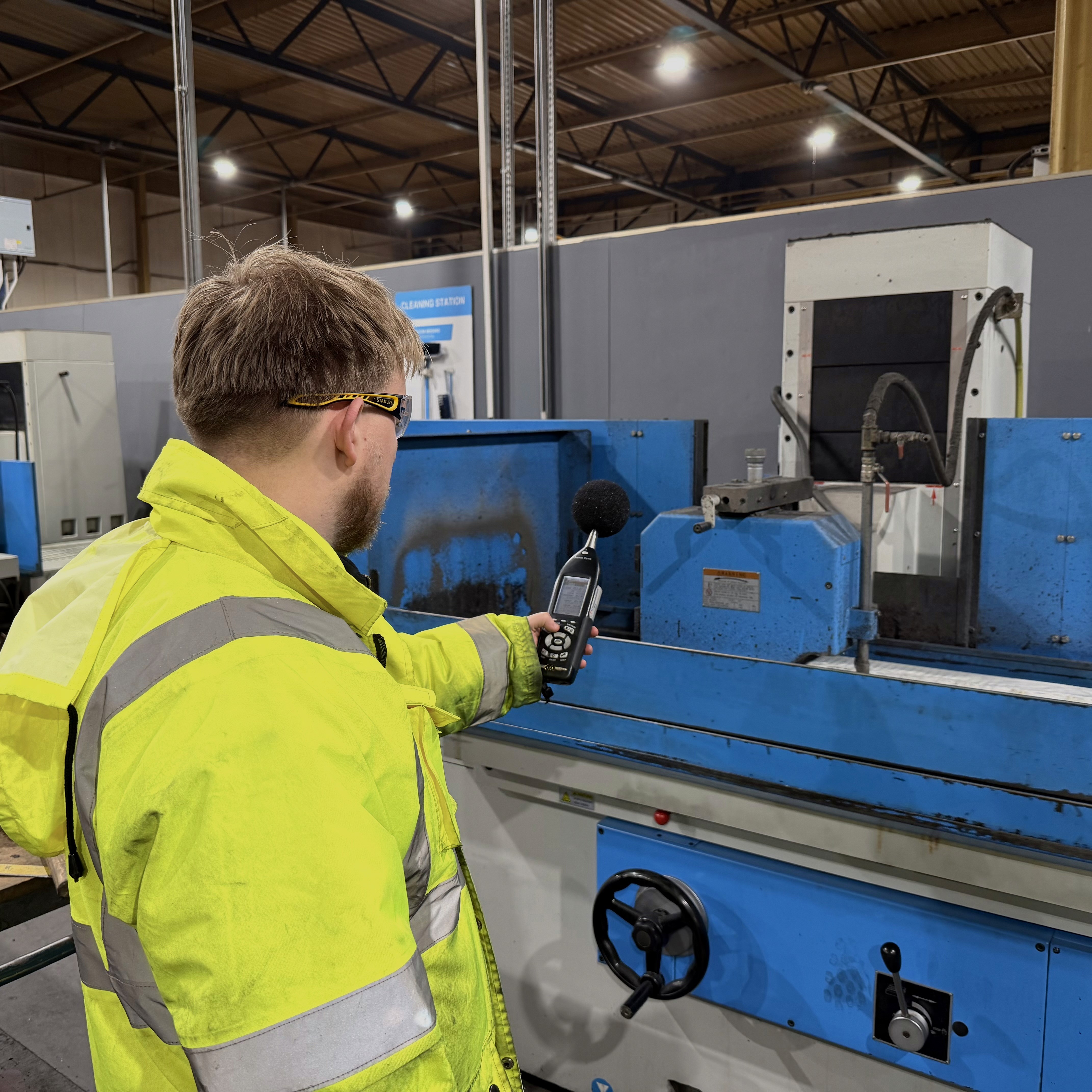
EXPOSURE MONITORING
Wood Dust Monitoring
Wood dust exposure can arise across a wide range of industrial, manufacturing and processing environments.
We support organisations with wood dust monitoring through personal and static air sampling, carried out by BOHS qualified occupational hygienists.
Covering the entire UK, our exposure assessments help duty holders understand employee exposure, evaluate existing control measures and support ongoing compliance requirements.
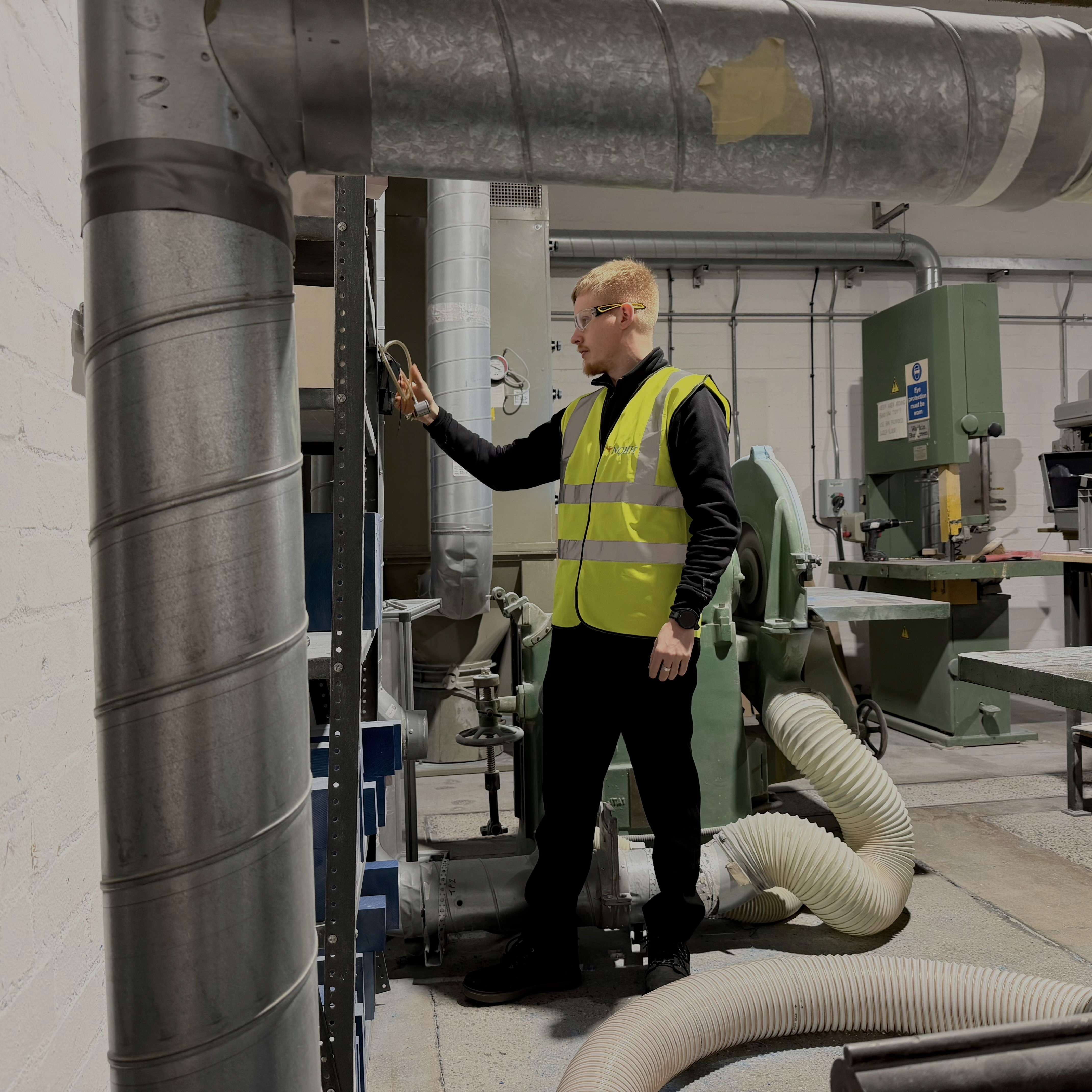
ENVIRONMENTS
Assessing sector-wide wood dust exposure
Wood dust exposure can occur wherever timber, composite board products or engineered wood materials are cut, machined, sanded or otherwise processed during workplace activities.
Joinery & Woodworking
CNC Routing & Machining
Automated cutting and routing operations capable of generating airborne wood dust exposure.
Furniture Manufacturing
Timber processing and finishing activities associated with airborne dust and composite material exposure generation.
MDF & Composite Processing
Engineered wood machining associated with various wood dust and resin-related airborne exposures.
Sawmill & Timber Processing
Large-scale timber cutting and processing activities involving significant airborne wood dust generation potential.
Wood Recycling Operations
Mechanical processing of reclaimed wood materials capable of generating mixed airborne dust contaminants.
ANALYTES & CONTAMINANTS
Commonly assessed wood contaminants
Wood dust exposure has been associated with occupational asthma, respiratory disease and nasal cancer risks, particularly where hardwood dusts or fine airborne particulate are generated during machining and finishing activities.
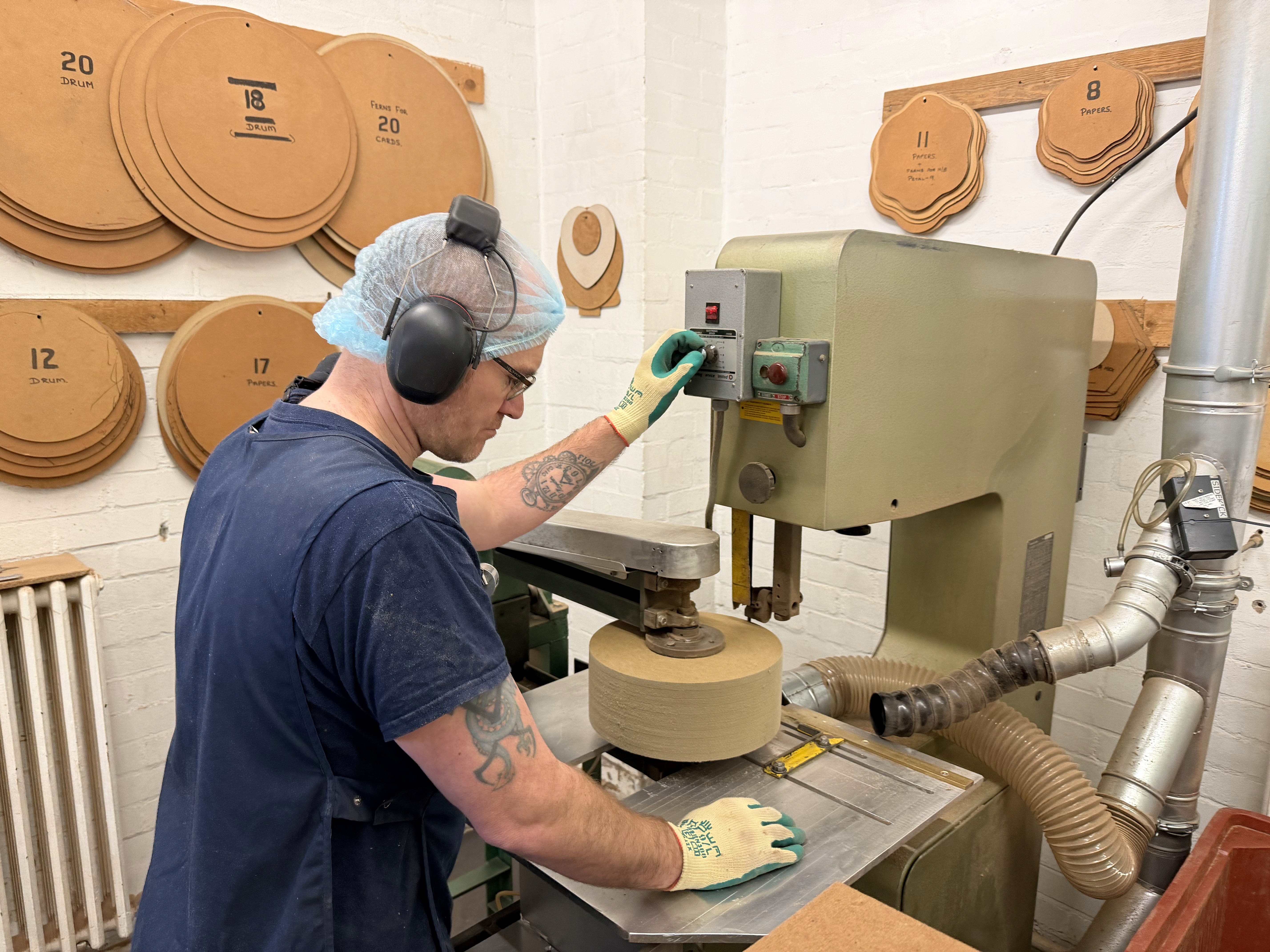
PROCESS
Simple and efficient assessment process
We provide wood dust monitoring with minimal operational disruption, from initial discussion and workplace assessment through to laboratory analysis and detailed reporting.
1.
Initial Discussion & Preliminary Assessment
We discuss workplace activities, materials, existing controls and any known or suspected exposure concerns to determine an appropriate monitoring strategy.
2.
Workplace Exposure Monitoring
Personal and/or static air sampling is undertaken under representative working conditions to assess employee exposure during normal operational activities.
3.
Laboratory Analysis & Assessment
Samples are analysed either in-house or by accredited laboratories and assessed against relevant Workplace Exposure Limits (WELs) and applicable occupational hygiene guidance.
4.
Reporting & Recommendations
A full report is provided outlining exposure findings, monitoring methodology and practical recommendations where further control or reassessment may be required.
RELATED SERVICES
Additional wood dust monitoring support
Our wood dust monitoring work is often supported alongside wider occupational hygiene services.
CONTACT US
Speak to a qualified occupational hygienist
Whether you require routine wood dust monitoring or have concerns around workplace exposure, we’re happy to discuss your requirements and provide occupational hygiene support.