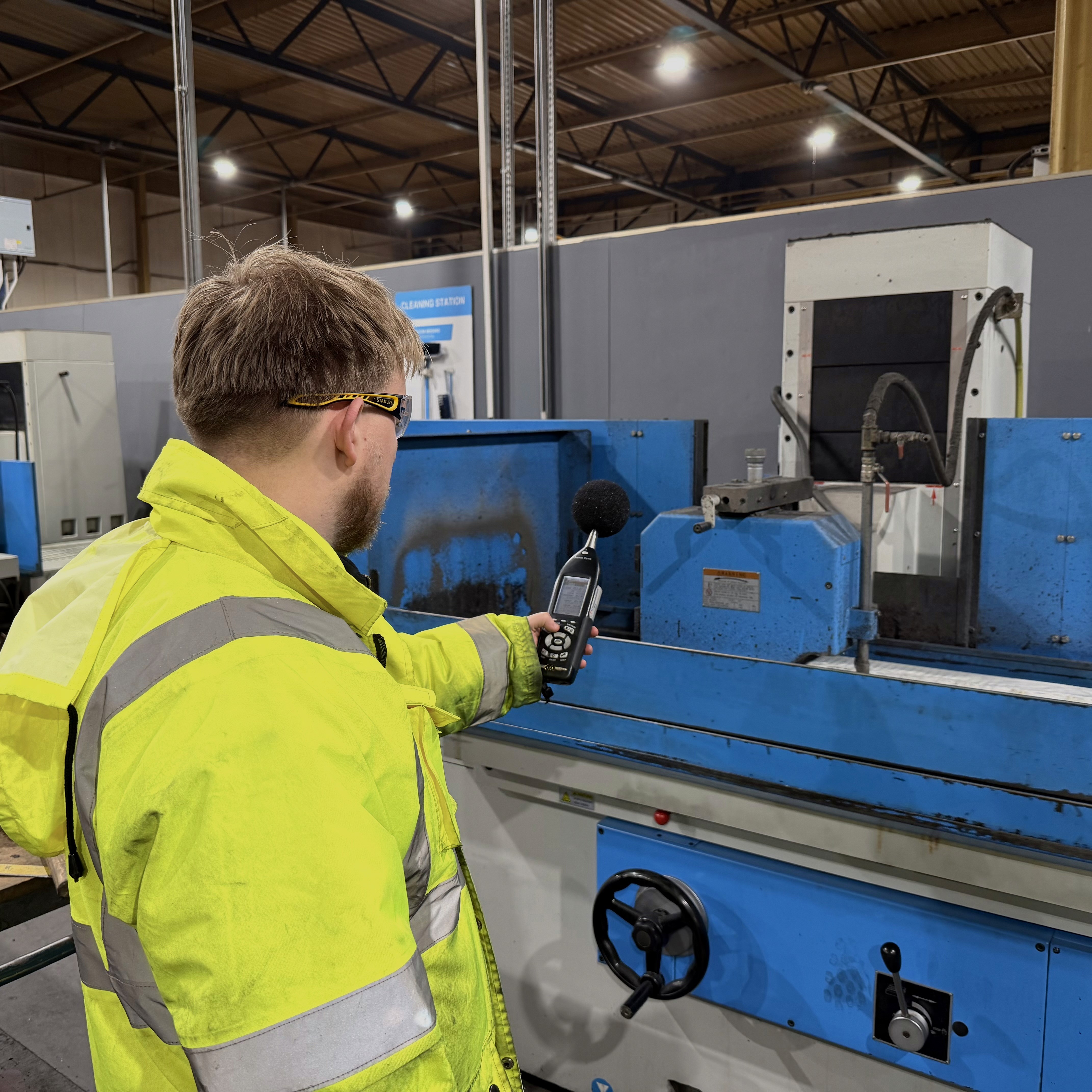
EXPOSURE MONITORING
Isocyanate Exposure Assessment
Isocyanate exposure risk can arise across a wide range of spraying, coating and polyurethane-based industrial processes.
We support organisations with practical isocyanate exposure assessment, control verification and occupational hygiene review, carried out by BOHS qualified occupational hygienists.
Covering the entire UK, our isocyanate assessments help duty holders evaluate existing controls, review operational risk and support ongoing compliance requirements.

ENVIRONMENTS
Assessing isocyanate risk across processes
Isocyanate exposure risk can occur where polyurethane coatings, foams, adhesives or finishing materials are sprayed, heated, cured or processed during operational activities.
Vehicle Body Shops
Spray painting and refinishing activities associated with airborne isocyanate aerosol and coating-related exposure risks
Spray Painting & Coating
Atomised coating applications capable of generating elevated airborne isocyanate exposure during spraying activities.
Polyurethane Foam
Production processes involving polyurethane chemistry and potential isocyanate exposure during manufacture.
Composite & GRP Production
Composite manufacturing activities involving isocyanate-containing resins, coatings and associated exposure risks.
Adhesives & Sealants
Application of polyurethane adhesives and sealants capable of generating airborne isocyanate exposure.
Floor Coating & Resin
Industrial flooring and resin coating activities involving isocyanate-containing products and exposure potential.
Polyurethane Moulding
Processes involving polyurethane moulding, casting and associated chemical exposure risks in manufacturing.
Chemical Manufacturing
Chemical production environments involving handling, processing and use of isocyanate-containing substances.
Powder Coating
Powder coating activities involving isocyanate-containing primers, paints and specialist coating systems.
MONOTORING PROTOCOL
Exposure assessment & control verification
We assess isocyanate exposure risk through review of workplace activities, chemical products, control measures and working practices.
PROCESS
Simple and practical assessment process
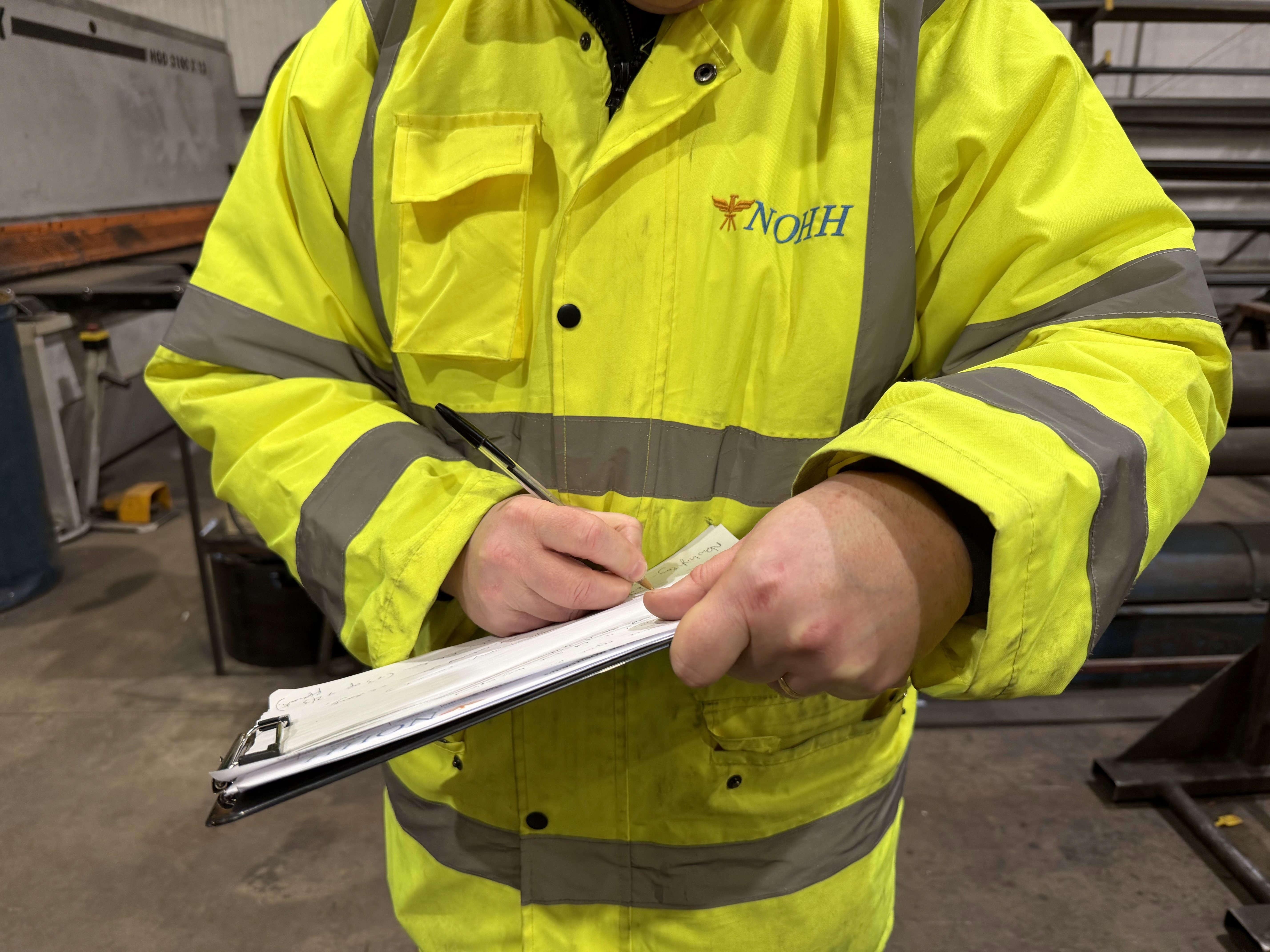
We provide isocyanate exposure assessment with minimal operational disruption, from initial review and workplace assessment through to biological monitoring support and reporting.
1.
Initial Discussion & Preliminary Assessment
We discuss workplace activities, materials, existing controls and any known or suspected exposure concerns to determine an appropriate monitoring strategy.
2.
Workplace Assessment & Review
We fully review operational activities, LEV systems, RPE arrangements and workplace controls are assessed under representative working conditions.
3.
Biological Monitoring
Where appropriate, biological monitoring may be undertaken to fully assess controls and all routes of entry, including through the skin.
4.
Reporting & Recommendations
A full report is provided outlining findings, exposure control observations and practical recommendations where appropriate.
RELATED SERVICES
Additional exposure assessment services
Our isocyanate assessment work is often supported alongside wider occupational hygiene and workplace exposure services.
CONTACT US
Speak to a qualified occupational hygienist
Whether you require a full occupational hygiene review or have concerns around isocyanate exposure, we’re happy to discuss your requirements and provide practical support.